
FAQs About Stabilization Splint
In addition to supporting joint health, stabilization splints play an important role in protecting your teeth by:
Reducing excessive pressure from clenching or grinding
Distributing bite forces more evenly across the arch
Minimizing wear, fractures, and damage to enamel
They also help create a more stable occlusion, which can be critical in both diagnosis and long-term treatment planning.
Stabilization splints are not only used for symptom relief—they are also an important diagnostic tool.
By observing how your body responds to a stabilized bite position, your clinician can:
Identify the ideal jaw position
Determine the role of bite dysfunction in your symptoms
Guide future treatment decisions, if needed
This makes the splint an essential first phase in many complex treatment plans.
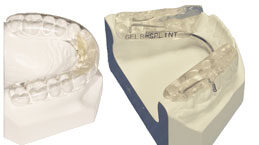
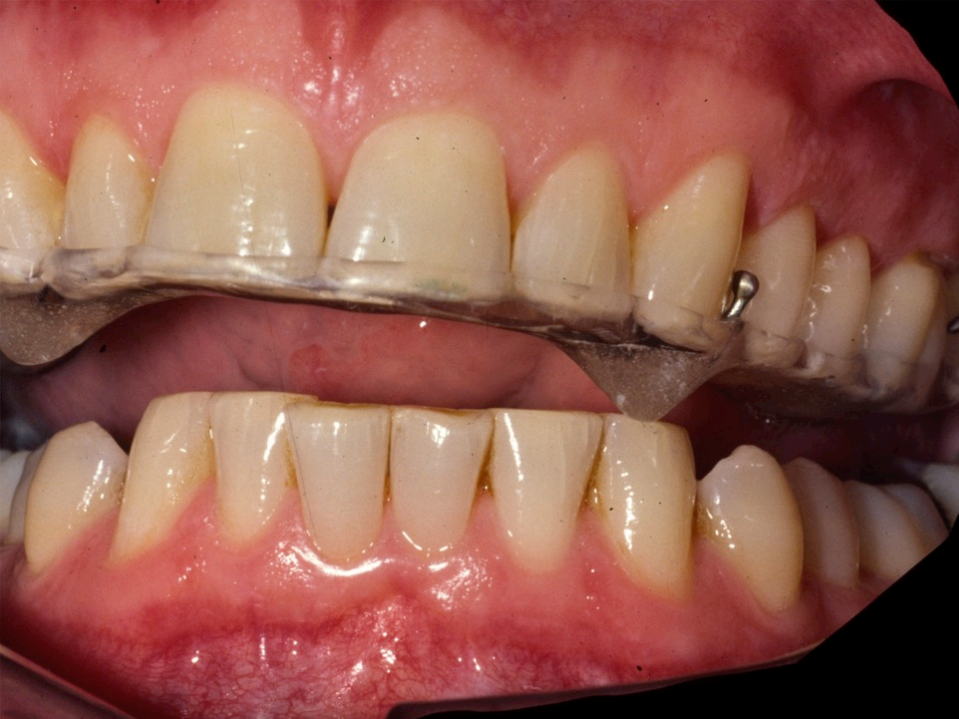
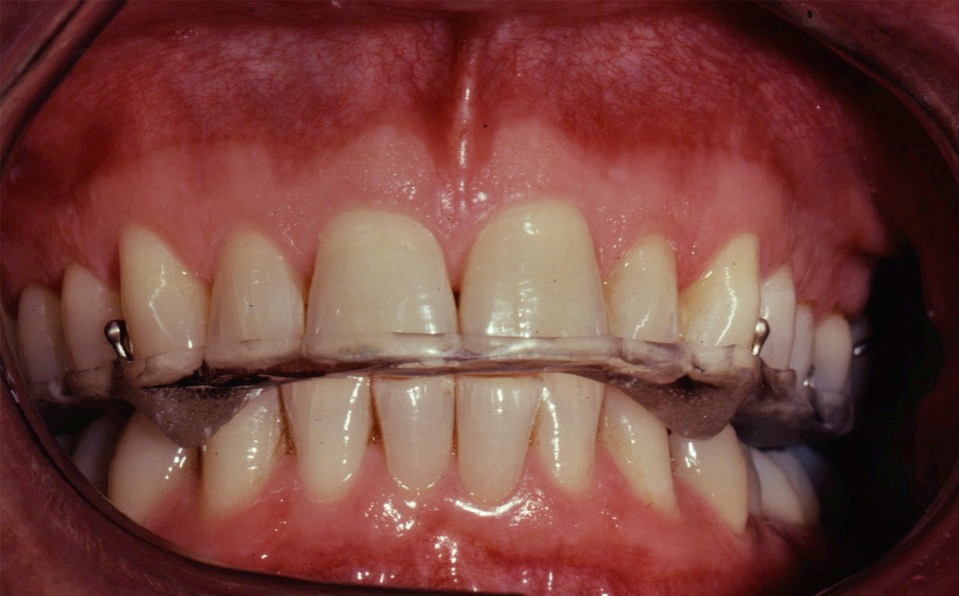
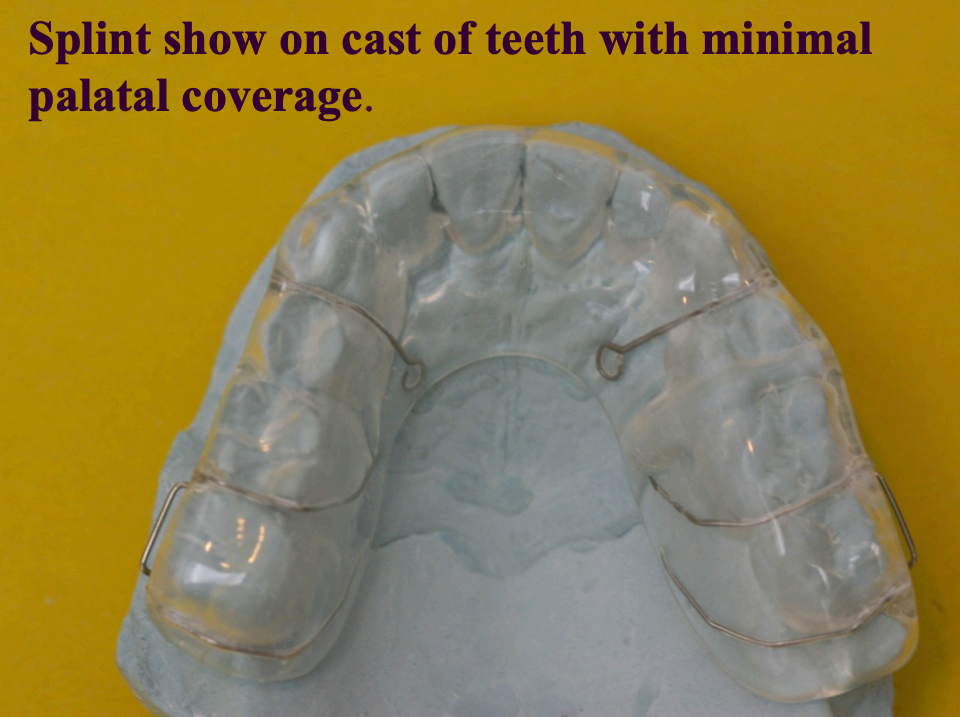
Every stabilization splint is custom-fabricated based on detailed clinical evaluation and diagnostic data. Adjustments are often made over time to ensure the appliance continues to support optimal function as your symptoms improve.